The raw pet food market has grown fast, and with that growth has come a wide range of quality. Some products are genuinely excellent: whole-ingredient, properly balanced, and made with sourcing standards that match the label claims. Others are raw in name only, using low-grade inputs and skipping the nutritional groundwork that makes raw feeding worthwhile in the first place.
So before you commit to a brand, here’s what actually matters, and what to watch out for.
AAFCO Compliance: Non-Negotiable for Complete Diets
The single most important label check for any dog food, raw or otherwise, is whether it meets AAFCO (Association of American Feed Control Officials) nutrient profiles. This standard ensures the food is formulated to be nutritionally complete and balanced for your dog’s life stage.
Look for one of two statements on the packaging:
- “Formulated to meet AAFCO nutrient profiles” — the recipe was developed to hit nutritional targets
- “Substantiated by AAFCO feeding trials” — the food was actually tested on dogs over time
Either is acceptable. What you want to avoid is food with no AAFCO statement at all, which means you’re taking on the responsibility of supplementing the diet yourself, a task that requires real nutritional knowledge to get right.
Ingredient Quality: What’s Actually in the Food
Raw dog food labels can be misleading if you don’t know what to look for. Here’s how to read them:
Look for:
- Named protein sources as the first ingredient (e.g., “beef,” “chicken,” “turkey” not “meat” or “animal protein”)
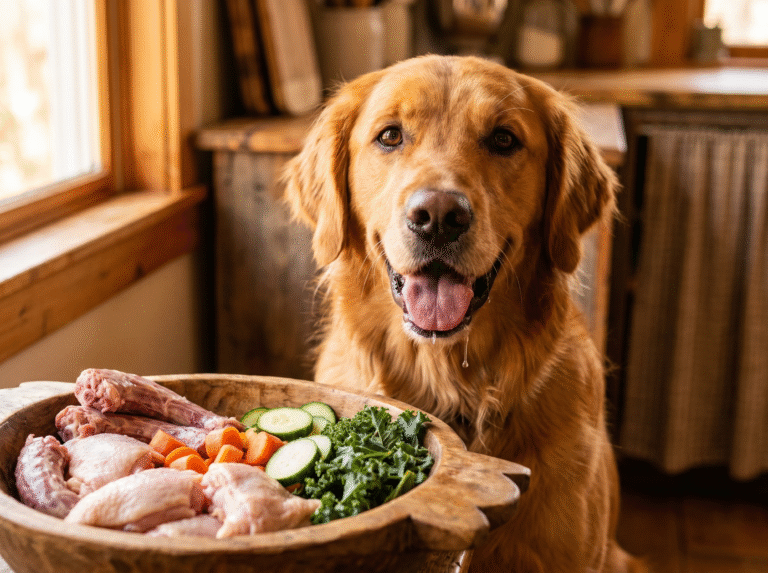
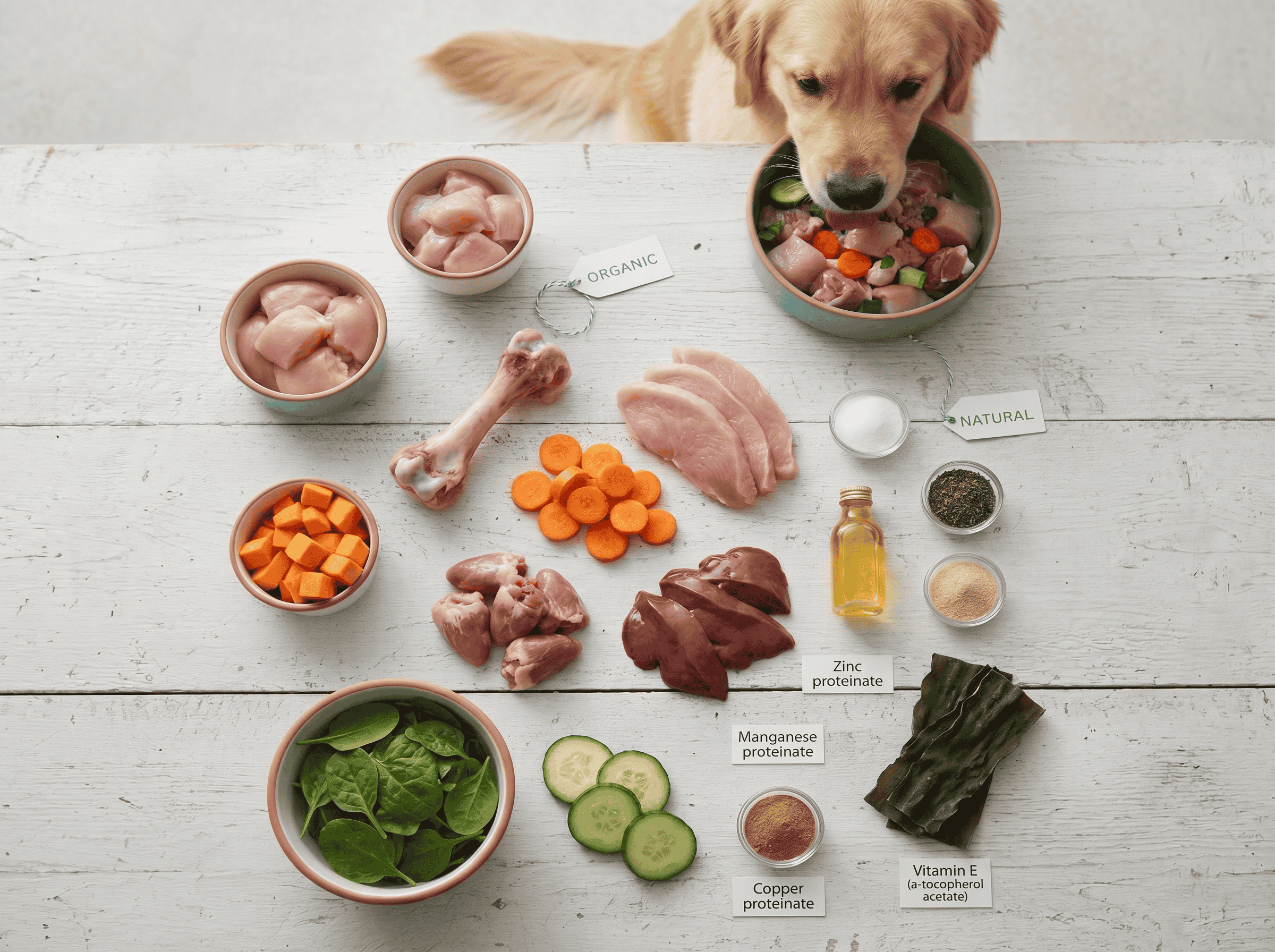
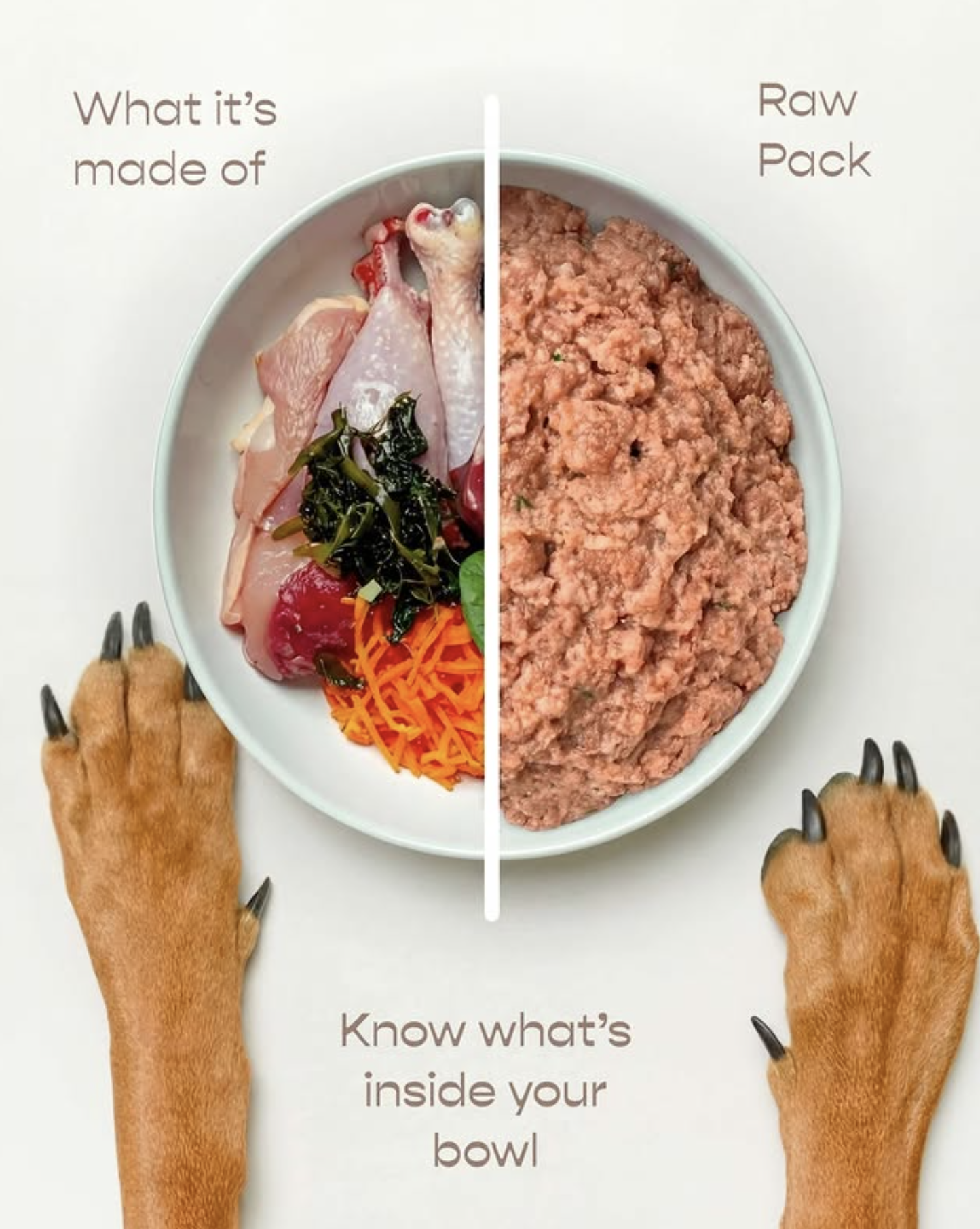
- Whole food additions: organ meats (liver, kidney), fruits, vegetables, and bone meal or ground bone for calcium
- Human-grade ingredients, which indicates a higher sourcing standard than feed-grade alternatives
Be skeptical of:
- Vague ingredient names like “meat by-products” or “animal digest”
- Long lists of synthetic additives used to compensate for low-quality base ingredients
- “Raw” in the name without transparency about what the raw ingredients actually are
Ingredient quality is where brands separate themselves most clearly. A shorter, recognizable ingredient list is almost always a better sign than a long one full of fillers.
Protein Source and Sourcing Transparency
Where the protein comes from matters, not just for ethical reasons, but for nutritional consistency and food safety. Reputable raw food brands are specific about their sourcing. Look for language like “grass-fed,” “free-range,” or “sourced from inspected facilities.”
If a brand can’t or won’t tell you where their protein comes from, that’s worth noting. Transparent sourcing is increasingly a baseline expectation in the premium pet food space, not a premium feature.
Food Safety Standards
Raw meat carries inherent food safety considerations. Responsible commercial raw brands address this through processing methods like High-Pressure Processing (HPP), which reduces pathogen load without using heat that would degrade the raw nutrition profile.
Check whether the brand discloses their safety protocols. Reputable companies are open about how they handle bacterial risk. Those that aren’t may be hoping you won’t ask.

"The best food for a dog is one that closely mimics what dogs have evolved to eat and that starts with whole, recognizable ingredients." Dr. Ian Billinghurst
Protein Variety and Life Stage Suitability
A single-protein raw diet can work well for many dogs, but variety is generally considered beneficial for nutritional breadth. Brands that offer multiple protein options (beef, chicken, turkey, lamb, fish) give you flexibility to rotate and reduce the risk of developing intolerances over time.
Also confirm the food is appropriate for your dog’s life stage, puppies, adults, and seniors have meaningfully different nutritional requirements. Not all raw foods are formulated for all life stages, so check the label.
Packaging, Storage, and Portioning
Practical details matter too. Look for:
- Clear portioning guidance based on dog weight, ideally on the packaging itself
- Resealable or portion-friendly formats that minimize waste after thawing
- Accurate storage and thaw instructions raw food handled incorrectly is a safety issue
Brands that put thought into packaging tend to put thought into the food itself. It’s not a guarantee, but it’s a reasonable signal.
What Good Raw Dog Food Actually Looks Like
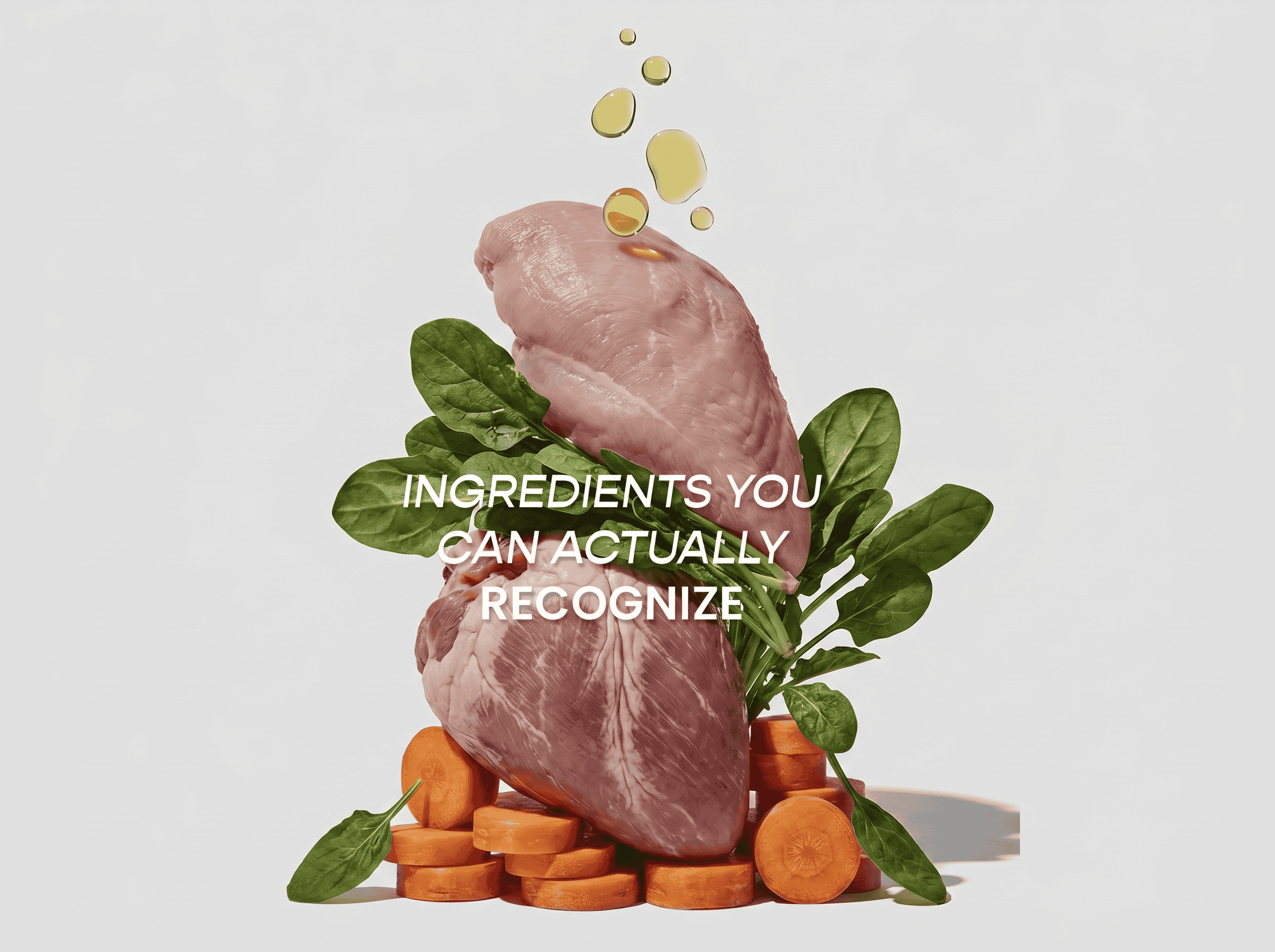
As a practical example of what these criteria look like in practice: Raw Pack checks the boxes that matter most, human-grade ingredients, AAFCO compliance, named protein sources, and transparent labeling. It’s available at select Costco locations in Canada, which makes it accessible for owners looking for a commercially prepared raw option without the specialty-store price tag.
That’s not an endorsement, it’s just a useful reference point when you’re evaluating what “quality” actually looks like on a shelf.
Quick Selection Checklist
Before buying any raw dog food, run through these:
- ✅ AAFCO statement present (complete and balanced)
- ✅ Named protein as the first ingredient
- ✅ Human-grade or clearly sourced ingredients
- ✅ Food safety protocol disclosed (e.g., HPP)
- ✅ Appropriate for your dog’s life stage
- ✅ Clear portioning and storage instructions
- ✅ Ingredient list you can actually read and recognize
Buying raw dog food well comes down to reading labels critically, asking the right questions about sourcing and safety, and not taking marketing claims at face value. A product that’s genuinely raw, genuinely balanced, and genuinely transparent about what’s in it isn’t hard to identify, once you know what you’re looking for.
Take the time to evaluate before you commit. Your dog eats this every day.