
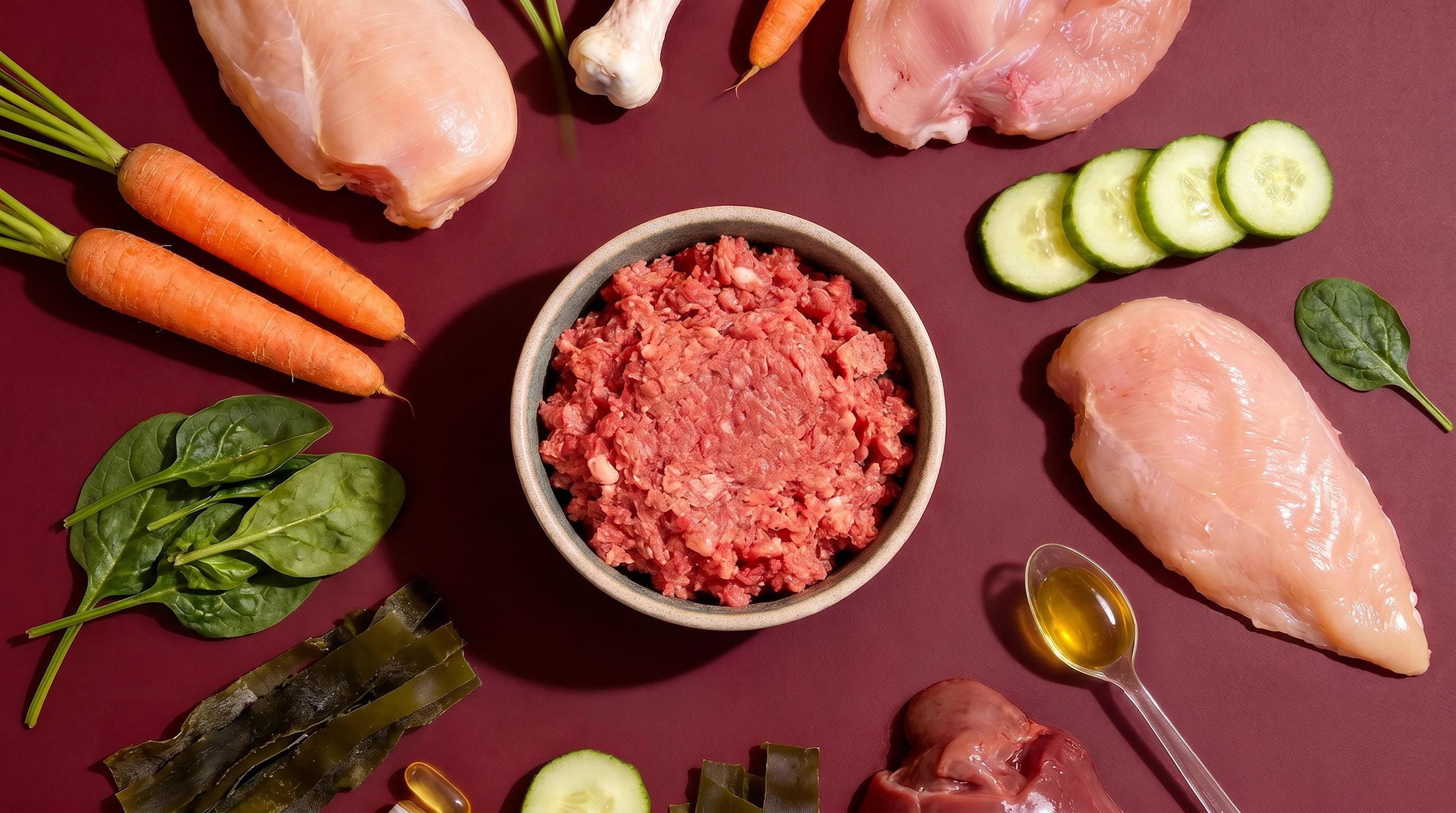
Cost is almost always the first question raw feeding skeptics ask, and it deserves a straight answer, not a runaround. So here it is upfront: raw dog food typically costs between $1.50 and $7.00 per day, depending on your dog’s size and the type of raw you choose. That range is wide for a reason, and understanding what drives it will help you figure out whether raw feeding fits your budget, and whether it’s actually worth it.
What Does Raw Dog Food Cost Per Day, by Dog Size?
The daily cost of feeding raw dog food scales with your dog’s weight. Most raw feeding guidelines recommend feeding roughly 2–3% of your dog’s body weight per day, which translates to the following general ranges using commercially prepared raw food priced between $5–$9 per pound:
| Dog Size | Weight | Daily Amount | Est. Daily Cost |
|---|---|---|---|
| Small | 10-20 lbs | 0.25-.05 lbs | $1.50 – $3.50 |
| Medium | 30-50 lbs | 0.75-1.25 lbs | $3.75 – $7.00 |
| Large | 60-90 lbs | 1.5-2.5 lbs | $7.50 – $15.00 |
Note: These are estimates based on activity level, life stage, and food density. Active dogs or growing puppies may need more. Seniors or low-activity dogs often need less.
Cost Per Pound and Cost Per Meal
Commercial raw food generally runs $5–$9 per pound for single-protein blends, and slightly more for multi-protein or organ-rich formulas. Budget-tier commercial raw (often sold in bulk or at warehouse stores) can drop to $3–$5 per pound, making it meaningfully more accessible.
If you’re feeding twice a day, divide your daily cost estimate in half to get a per-meal figure. For a medium dog, that’s roughly $2–$3.50 per meal on commercial raw.
Raw Dog Food vs. Kibble vs. Fresh Food:
An Honest Cost Comparison
Here’s how raw feeding stacks up against the alternatives on a daily cost basis for a 40-pound dog:
| Feeding Method | Est. Daily Cost (40 lb Dog) |
|---|---|
| Dry kibble (mid-range) | $1.00–$2.00 |
| Dry kibble (premium) | $2.00–$3.50 |
| Fresh/cooked delivery (e.g., Ollie, Nom Nom) | $5.00–$10.00 |
| Commercial raw (mid-range) | $3.75–$6.00 |
| DIY raw | $2.00–$5.00 |
| Raw Pack | $2.77 |
Kibble is cheaper on the surface — there’s no way around that. But cost-per-meal comparisons don’t account for feeding volume or what’s actually in the bag. Highly digestible foods are often fed in smaller portions because more of the food is actually absorbed. Raw diets tend to produce noticeably less waste (smaller, firmer stools), which is one informal signal that more of the food is being used.
Fresh cooked delivery services often cost more than commercial raw, while raw provides a whole-ingredient, minimally processed option at a lower price point.
Hidden Costs of Feeding Raw
Before committing, it’s worth knowing what isn’t reflected in the per-pound price.
Freezer Space
Commercial raw needs to be stored frozen. If you’re feeding a large dog, you may need a dedicated chest freezer ($100–$200 upfront, minimal ongoing electricity cost). For small dogs, standard freezer space usually works.
Prep Time (DIY Raw)
DIY raw feeding — sourcing and balancing muscle meat, organ meat, and bone yourself — requires time to research, shop, portion, and prep. This is not a set-it-and-forget-it approach.
Spoilage Risk
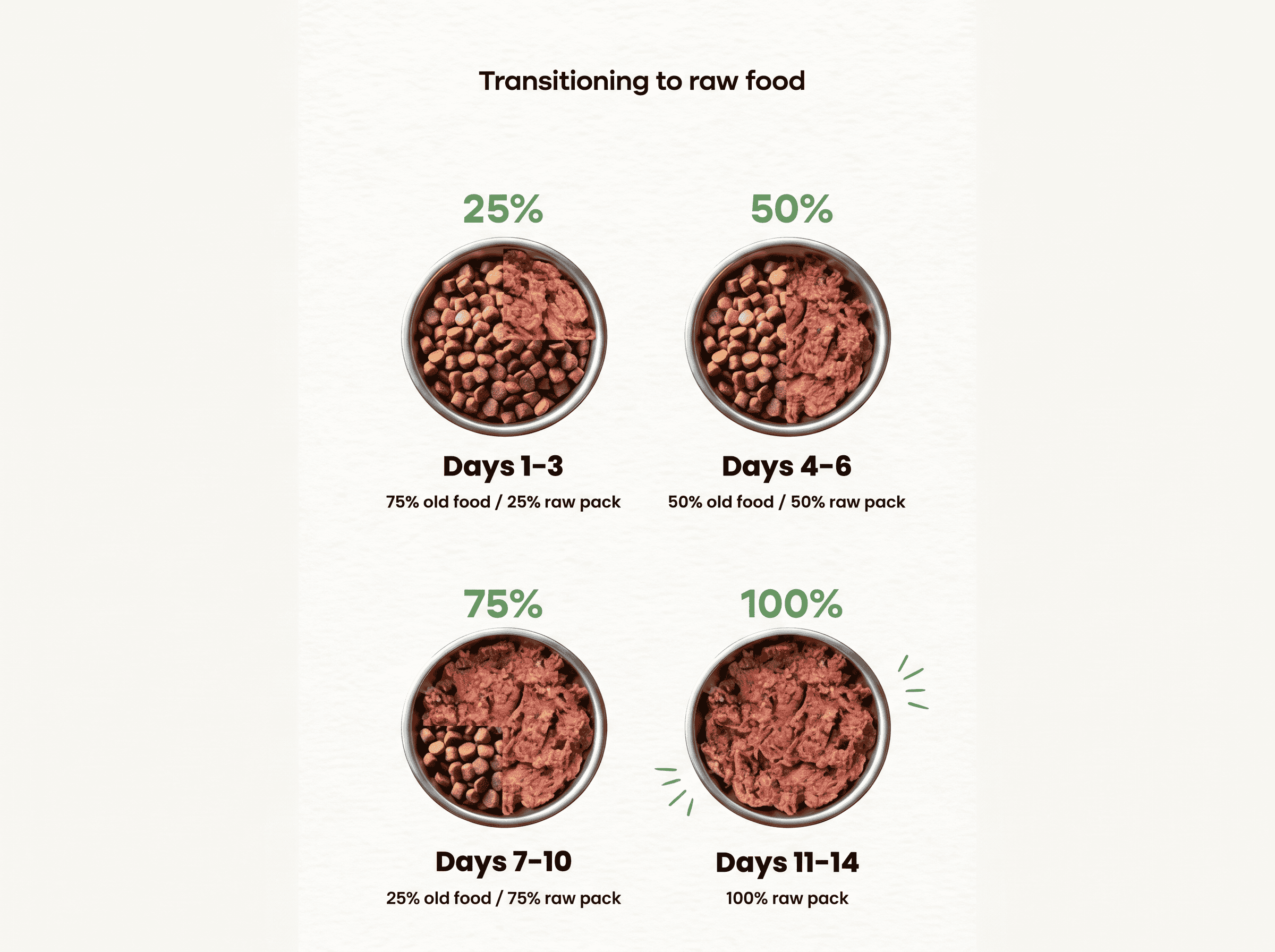
Thawed raw food has a 3–4 day fridge-safe window. Poor planning can lead to waste, which effectively raises your cost per feeding.
Transitional Adjustments
Switching from kibble to raw can cause temporary digestive upset in some dogs. It’s worth transitioning slowly and, ideally, talking to a vet familiar with raw feeding before you start.

“Cheap dog food saves money today. Real food saves problems tomorrow.”
DIY Raw vs. Commercial Raw: What's the Real Difference?
DIY Raw
Estimated cost: $2.00–$5.00/day for a medium dog
Sourcing your own raw ingredients, from butchers, farmers, or grocery stores, is the most affordable path. The tradeoff is responsibility: formulating a nutritionally balanced raw diet is genuinely complex. Getting the calcium-to-phosphorus ratio wrong, underfeeding organ meats, or skipping essential fatty acids can cause real deficiencies over time.
Pros: Lower cost, full ingredient control
Cons: Time-intensive, requires nutritional knowledge, higher risk of imbalance without guidance
Commercial Raw
Estimated cost: $3.75–$7.00+/day for a medium dog
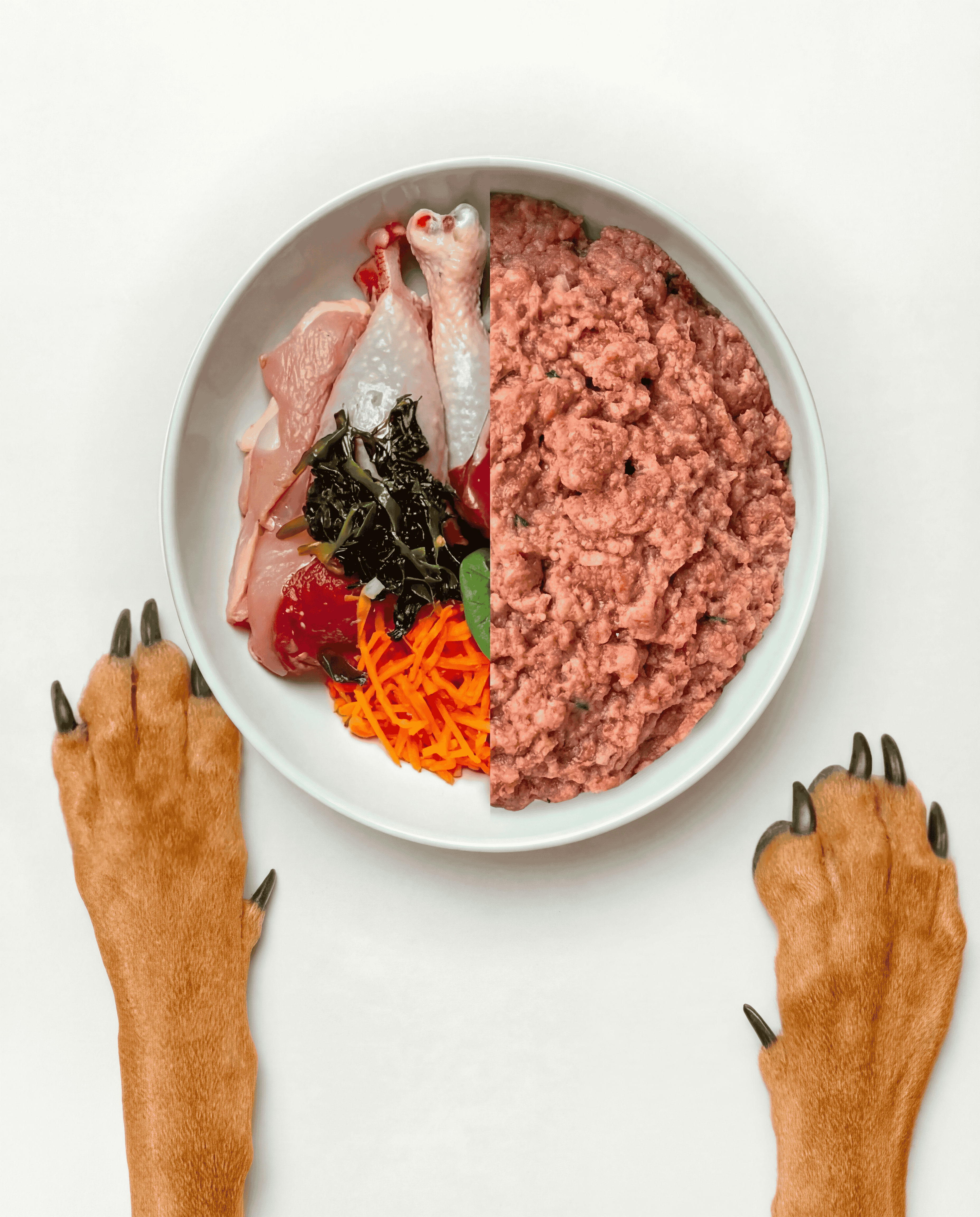
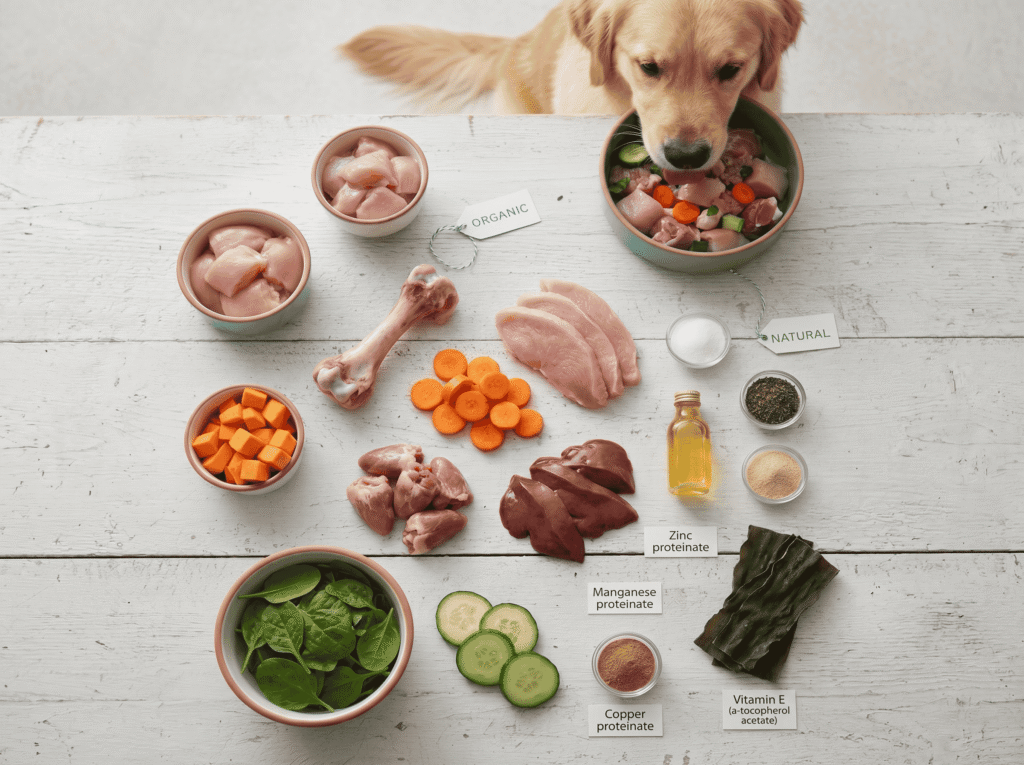
Pre-formulated raw foods, frozen patties, rolls, or mixes, remove most of the guesswork. Products that meet AAFCO (Association of American Feed Control Officials) nutrient profiles are formulated to be complete and balanced, meaning you don’t need to supplement separately.
Pros: Convenient, nutritionally complete (if AAFCO-compliant), safer for beginners
Cons: Higher cost than DIY, quality varies by brand
This has the potential to be a very dangerous situation. If you are aware that your dog is not a great swimmer, then invest in a life jacket to improve buoyancy. This will keep your dog more visible if it is small and can provide an extra bit of safety. You should never just assume that all dogs can swim. Some dogs need to be trained to swim while some are naturals and for others it’s nearly impossible. Recognize which category your dog falls under early on and be sure to take the proper precautions to guarantee its health and safety and to avoid the potential of drowning. Also, if your dog is older or has an injury like arthritis, it would be beneficial to make sure it has a vest. Dogs must be introduced to water properly before they can begin to have fun. Pets are easily irritated by chlorine.
Is Raw Dog Food Worth the Cost?
This depends entirely on your priorities.
Raw feeding costs more than mid-range kibble. That’s true. But the comparison isn’t always apples to apples. You’re comparing minimally processed, whole-ingredient food to a highly processed product that may contain fillers, rendered by-products, and synthetic nutrient additions.
Some owners report feeding smaller portions of raw compared to kibble to maintain the same body condition, meaning the per-meal cost gap narrows in practice. Others find that a dog’s coat, energy, or digestion improves, which feels like value beyond the price tag. These are individual outcomes, not guarantees.
The more useful frame: what are you comfortable paying, and what matters to you in your dog’s food? Raw feeding isn’t magic, but for owners who want a minimally processed diet and can make the budget work, it’s a legitimate, well-established option.
A Note on Commercially Available Raw Options
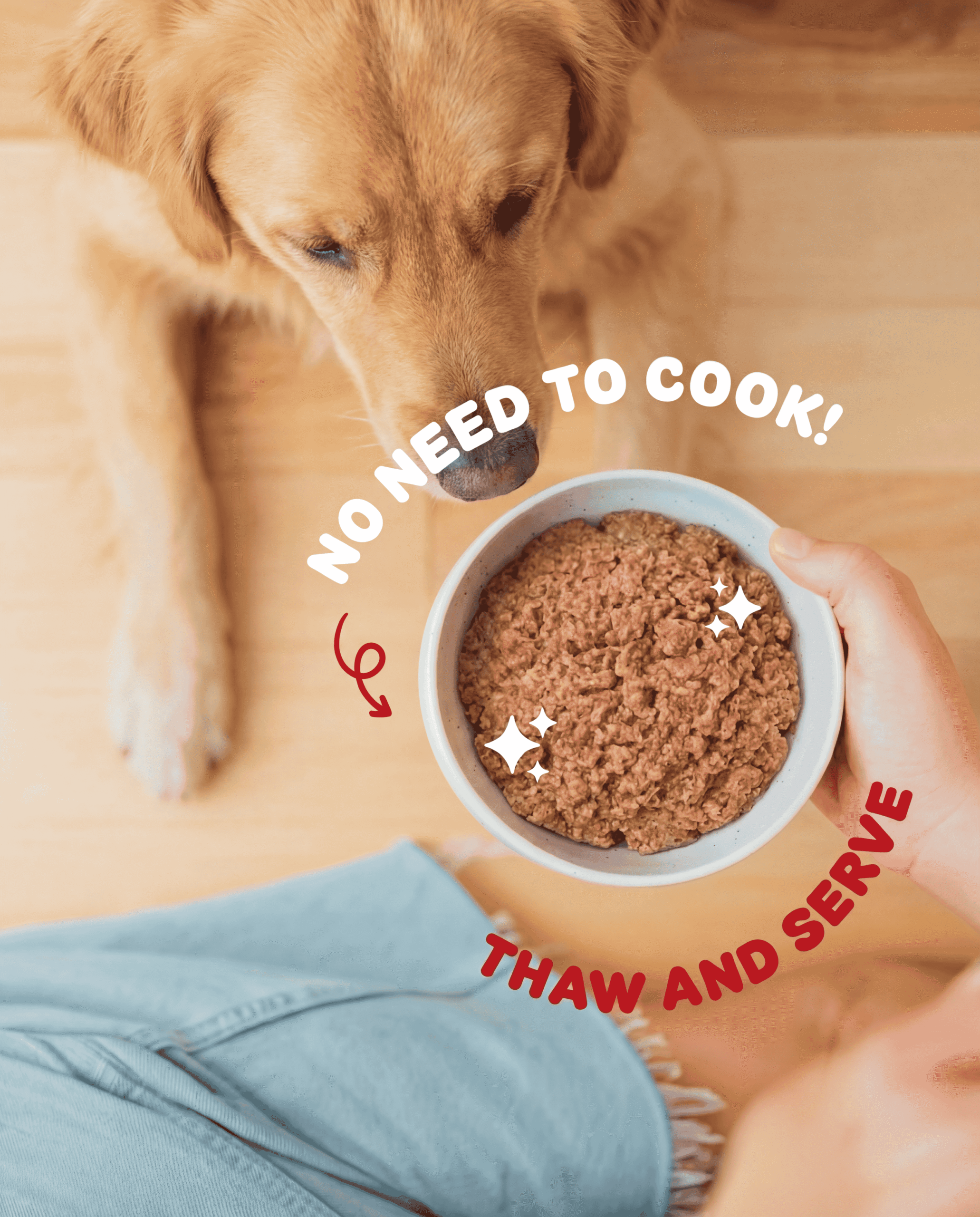
If you’re exploring commercial raw, one brand worth knowing about is Raw Pack. Their products use human-grade ingredients and are formulated to meet AAFCO standards for complete and balanced nutrition, which matters if you want the simplicity of commercial raw without worrying about supplementing.
Raw Pack is positioned at a competitive price point compared to many premium raw brands, and is available at select Costco locations in Canada, which makes bulk purchasing more accessible for multi-dog households or large breeds. It’s a practical example of how commercial raw can be done without the price tags that often make the category feel out of reach.

Hi, this is a comment.
To get started with moderating, editing, and deleting comments, please visit the Comments screen in the dashboard.
Commenter avatars come from Gravatar.