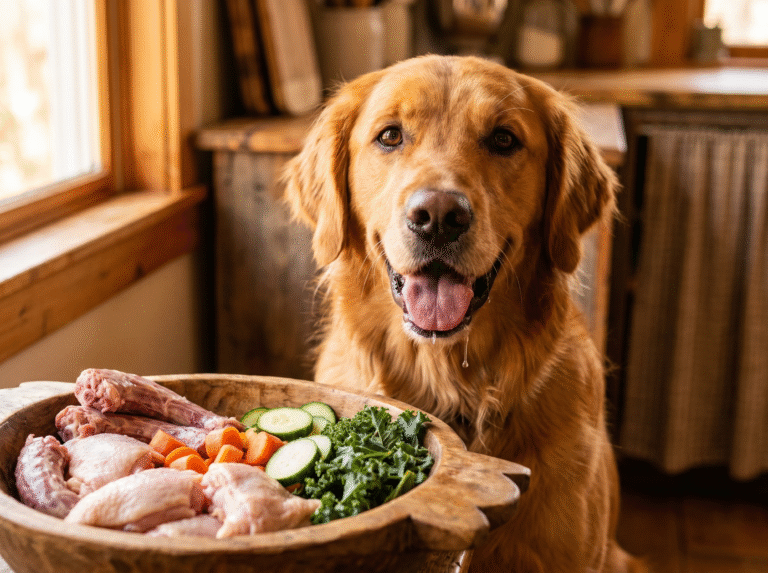
If you have spent any time in dog owner communities lately, you have probably heard someone rave about raw dog food. Maybe your neighbor swears their golden retriever has never looked better since ditching the bag. Or maybe your vet gave you a cautious look when you brought it up. Either way, you are here because you want the real answer, and that is exactly what we are going to give you.
Let’s dig into what raw dog food actually is, what the science and real-world experience say about it, and whether making the switch is worth it for you and your pup.
What Is Raw Dog Food, Exactly?
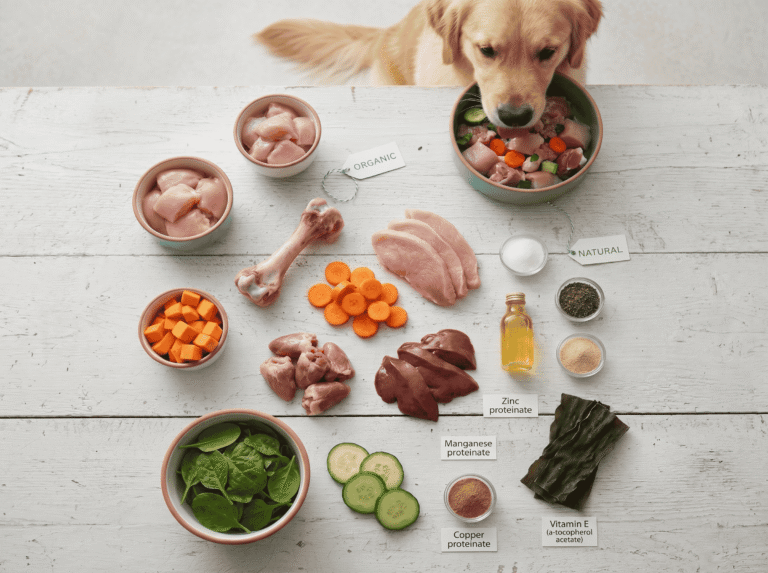
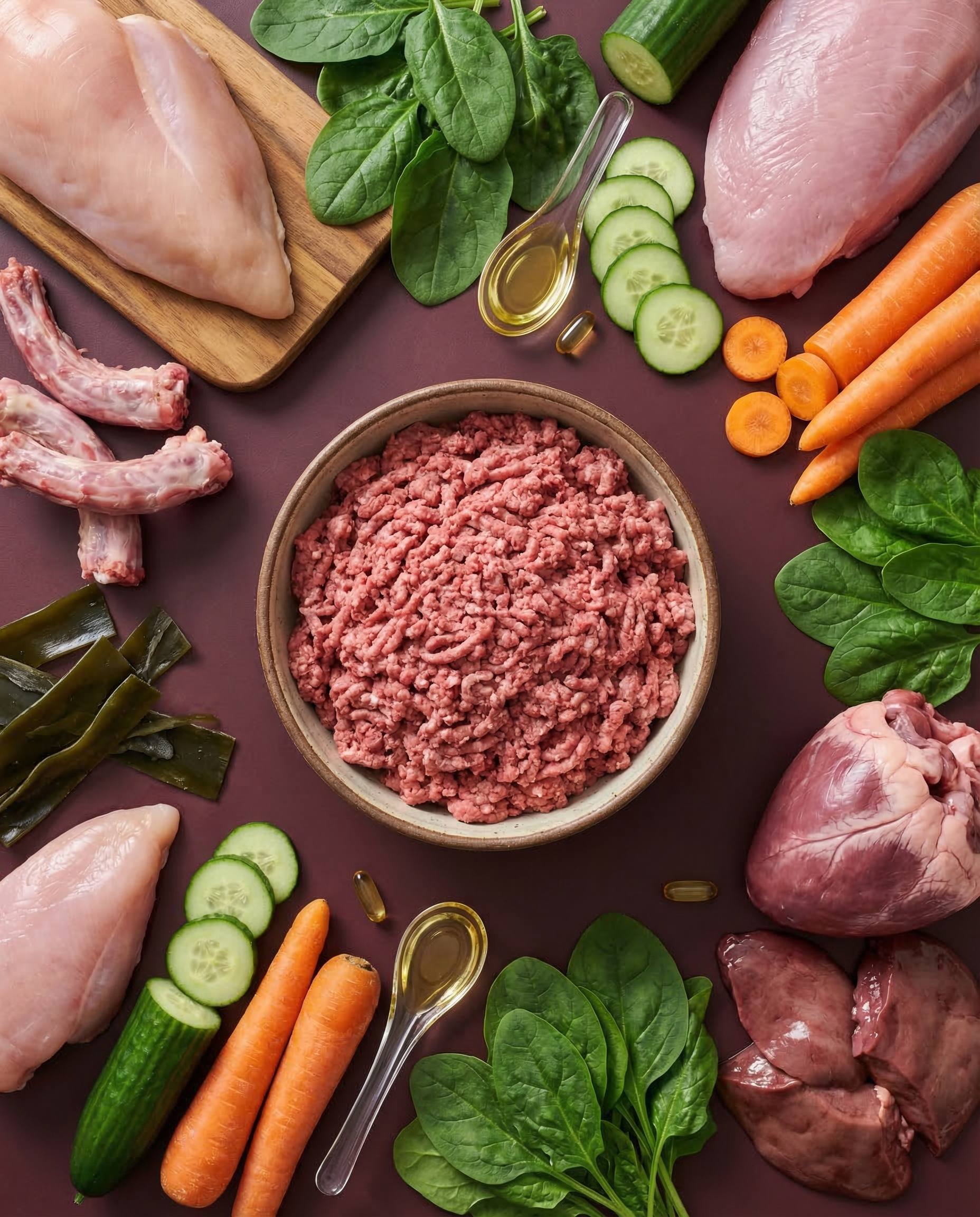
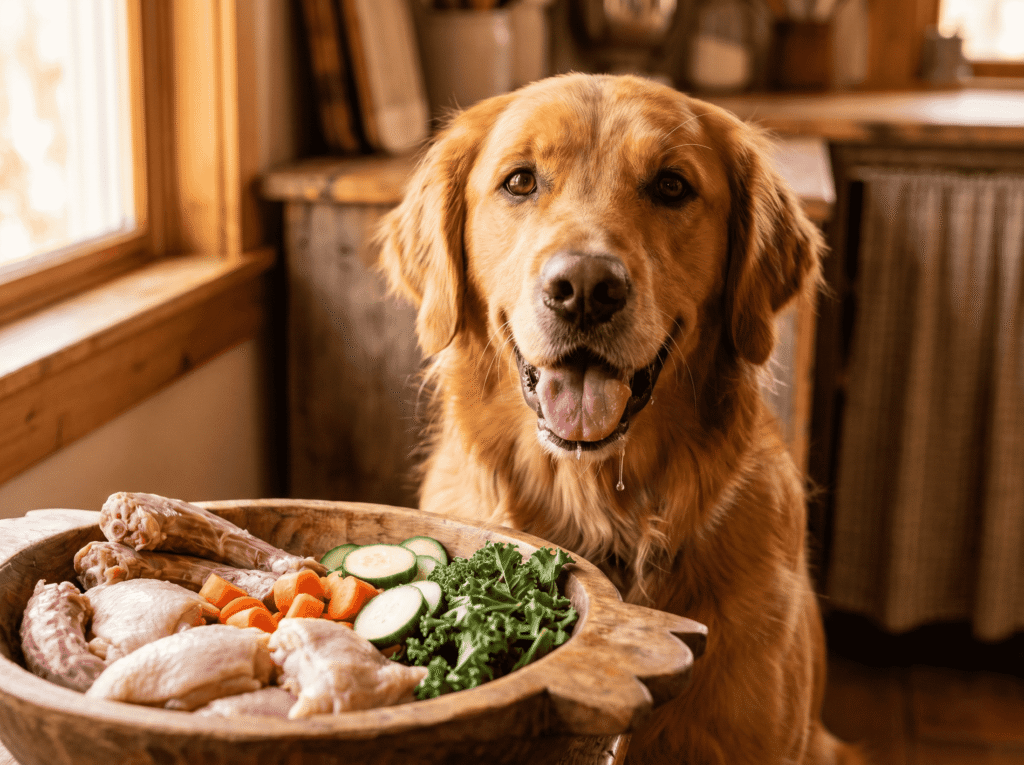
Raw dog food is a diet made up of uncooked ingredients. Most raw diets include a mix of raw meat, meaty bones, organ meat, raw eggs, and sometimes fruits and vegetables. This type of feeding is often called a BARF diet, which stands for Biologically Appropriate Raw Food, or sometimes Bones and Raw Food.
The idea behind raw dog food is simple. Dogs evolved from wolves, and wolves did not eat kibble. Proponents of raw feeding believe that a diet closer to what dogs ate in the wild is naturally better for their bodies.
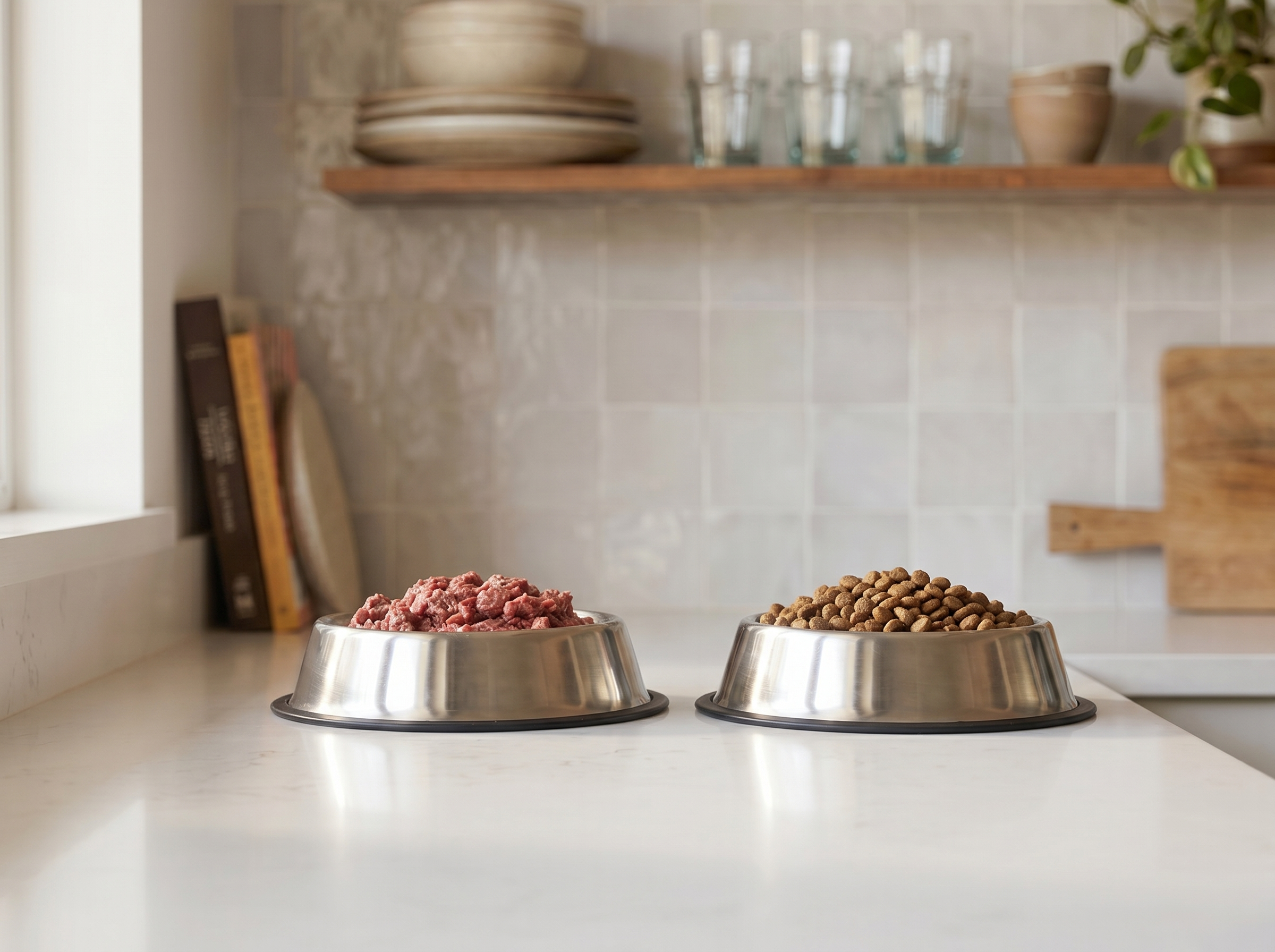
Kibble, on the other hand, is a processed food. It is cooked at high temperatures, which allows it to have a long shelf life and makes it convenient to store and serve. Most commercial kibbles are formulated to meet basic nutritional standards set by organizations like AAFCO. However, the quality of ingredients can vary widely from brand to brand.
The Real Benefits of Raw Dog Food
So, what do raw feeders actually notice when they make the switch? Here are some of the most commonly reported benefits.
Better coat and skin. One of the first things many dog owners notice after switching to raw dog food is a shinier coat and less itchy skin. The natural fats found in raw meat, especially omega-3 and omega-6 fatty acids, can do wonders for skin health.
Smaller, less smelly stools. This one surprises a lot of people. Because raw food is more bioavailable, meaning the body absorbs more of it, dogs tend to produce less waste. And that waste is usually firmer and less odorous. Any dog owner knows how much that matters.
Higher energy levels. Many raw feeders report that their dogs seem more alert and energetic after switching. Whether this comes from better nutrient absorption or simply the removal of fillers and artificial additives is hard to say for certain, but the anecdotal evidence is hard to ignore.
Better dental health. Chewing raw meaty bones naturally scrubs teeth and helps reduce plaque buildup. This is something kibble simply cannot replicate, no matter what the bag says.
Fewer digestive issues. Dogs with chronic digestive problems, like loose stools or gas, often see improvement on raw dog food. Removing highly processed ingredients and artificial additives can make a big difference for sensitive stomachs.
What the Research Says
Here is where things get a little more nuanced. The scientific research on raw dog food is still growing, and it is not all one-sided.
Some studies have found that raw diets can improve coat quality and digestibility. Others have raised concerns about bacterial contamination. Raw meat can carry pathogens like Salmonella and E. coli, which can be a risk not just for your dog but also for the people in your household, especially young children or immunocompromised individuals.
There is also the issue of nutritional balance. A poorly planned raw diet can lead to deficiencies in key nutrients like calcium, phosphorus, and certain vitamins. This is why it is important to do your research or work with a veterinary nutritionist if you are building a homemade raw diet from scratch.
The good news is that commercially prepared raw dog food has come a long way. Many brands, like Raw Pack, now follow strict safety protocols and are formulated to meet complete nutritional standards.

"Kibble is convenient. Raw dog food is intentional. There is a difference."
Raw Dog Food vs. Kibble: A Side-by-Side Look
| Factor | Raw Dog Food | Kibble |
|---|---|---|
| Ingredient Quality | High (depends on brand) | Varies widely |
| Convenience | Lower | Very high |
| Cost | Higher | Lower |
| Shelf Life | Short (refrigeration needed) | Long |
| Digestibility | Generally higher | Lower |
| Dental Benefits | High | Low to moderate |
| Bacterial Risk | Possible if mishandled | Very low |
| Nutritional Balance | Requires planning | Usually complete |
Is the Switch Worth It?
The honest answer is: it depends on your dog and your lifestyle.
For dogs with skin issues, chronic digestive problems, or low energy, raw dog food can be a genuine game-changer. Many owners who make the switch say they wish they had done it sooner.
However, raw feeding does require more effort. You need to handle food safely, keep portions balanced, and often spend more money per month than you would on a mid-range kibble. If your schedule is already packed, the extra prep time might feel like too much.
A good middle ground for busy pet parents is freeze-dried raw dog food. It offers many of the same nutritional benefits as fresh raw food but with the convenience of kibble. You simply rehydrate it before serving.
Tips for Switching to Raw Dog Food Safely
If you decide to try raw dog food, here are a few tips to make the transition smoother.
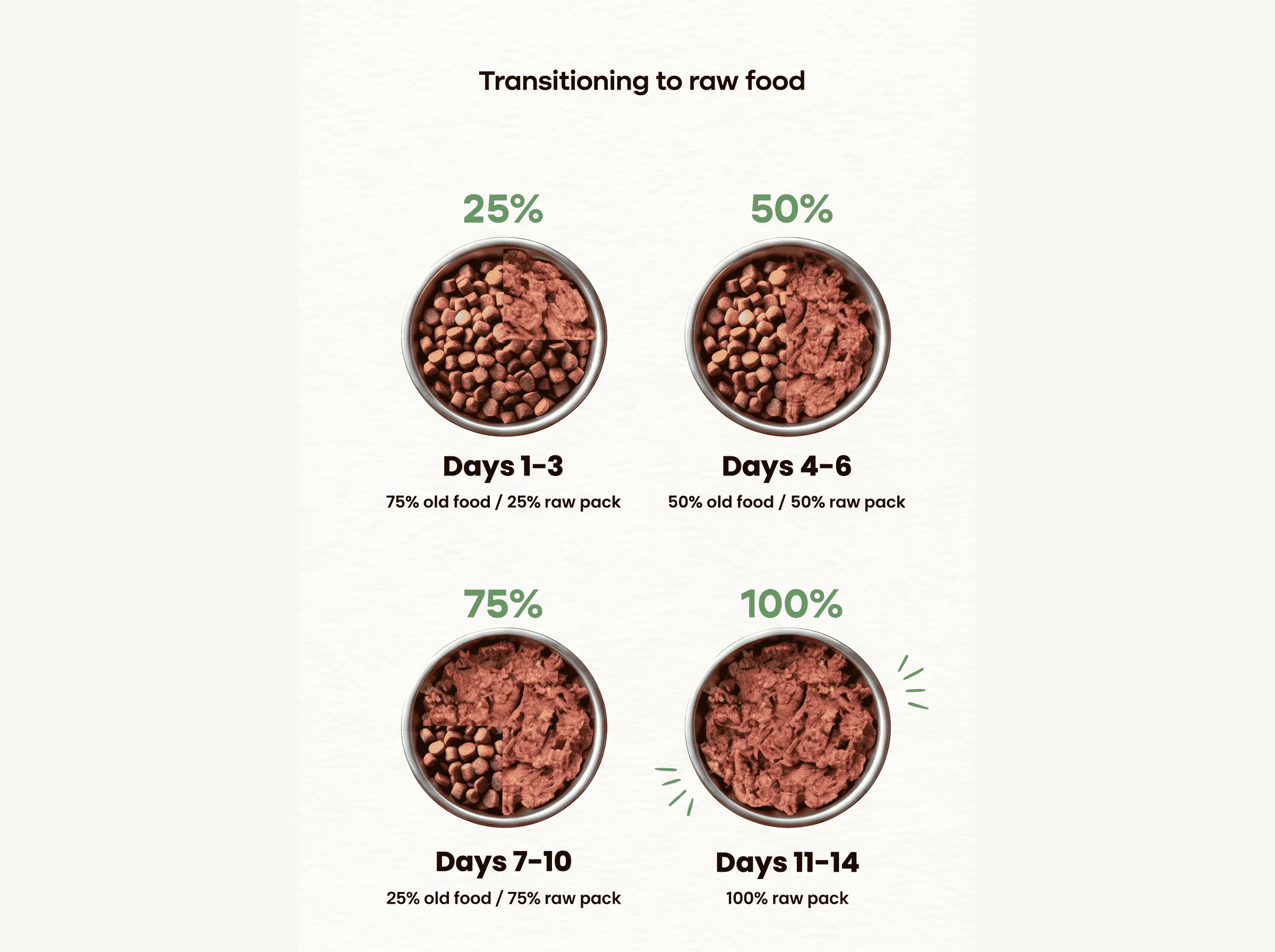
First, go slow. Switch gradually over a couple of weeks by mixing raw food into your dog’s current meals. A sudden diet change can upset their stomach even when you are switching to something better.
Second, source quality ingredients. Whether you are buying from a raw pet food brand or preparing meals at home, the quality of the meat matters. Look for human-grade ingredients when possible.
Third, follow safe food handling practices. Wash your hands, clean bowls, and sanitize any surfaces that come into contact with raw meat. Treat it the same way you would handle raw chicken in your own kitchen.
Finally, loop in your vet. Even if your vet is not a raw feeding enthusiast, they can help you monitor your dog’s health during the transition and flag any concerns early.
The Bottom Line
Raw dog food is not a magic cure-all, but for many dogs, it is genuinely better than a diet of heavily processed kibble. The benefits around coat health, digestion, dental hygiene, and energy are real and well-documented by thousands of dog owners.
The key is to approach it thoughtfully. Do your research, choose quality ingredients, and handle everything safely. Whether you go fully raw, try freeze-dried raw, or simply upgrade the quality of your kibble, the most important thing is that you are paying attention to what goes into your dog’s bowl.
Your dog cannot tell you what they need. But with a little effort, you can figure it out for them.
Looking for more tips on natural pet nutrition? Explore our other guides on feeding, supplements, and keeping your dog healthy at every life stage.