If you own a large dog, you already know the struggle. Bigger dogs eat more, cost more, and somehow always seem hungry five minutes after dinner. Whether you have a German Shepherd, Labrador, Cane Corso, Great Dane, or Bernese Mountain Dog, feeding them properly becomes a serious monthly expense.
That is why many pet owners hesitate when they start researching raw dog food. The benefits sound great, but the price can feel intimidating, especially when your dog weighs 80 to 150 pounds.
The good news is that raw dog food does not have to drain your bank account. With the right approach, large breed owners can feed a nutritious raw diet while staying within a realistic budget.
Why Large Breed Owners Are Switching to Raw Dog Food
Many dog owners begin exploring raw dog food after dealing with common issues tied to heavily processed kibble. Large breeds are especially prone to digestive problems, joint stress, skin irritation, and weight management issues.
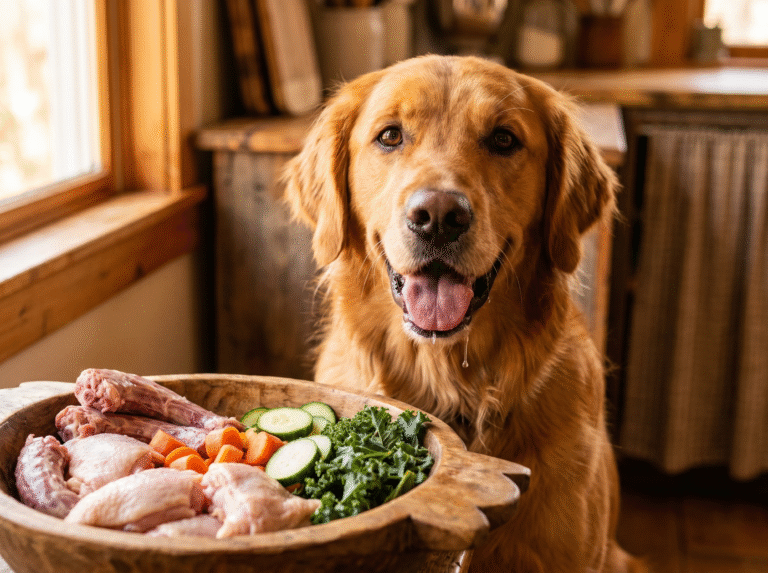
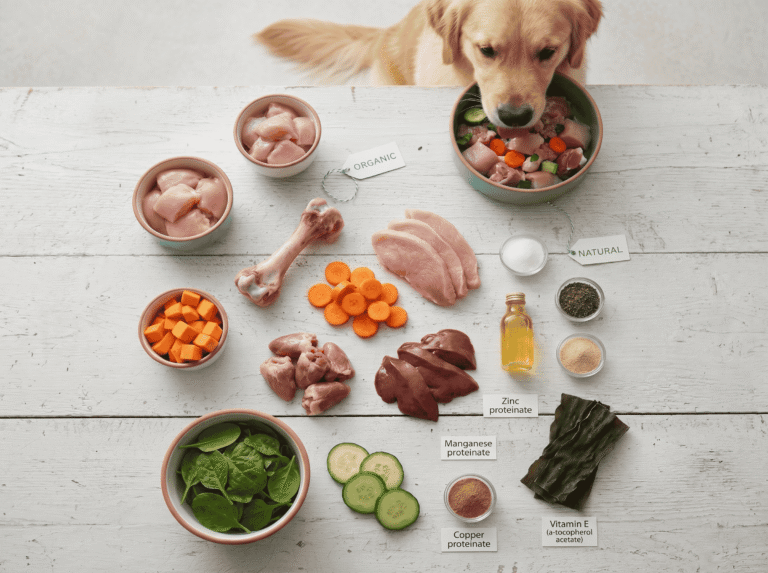
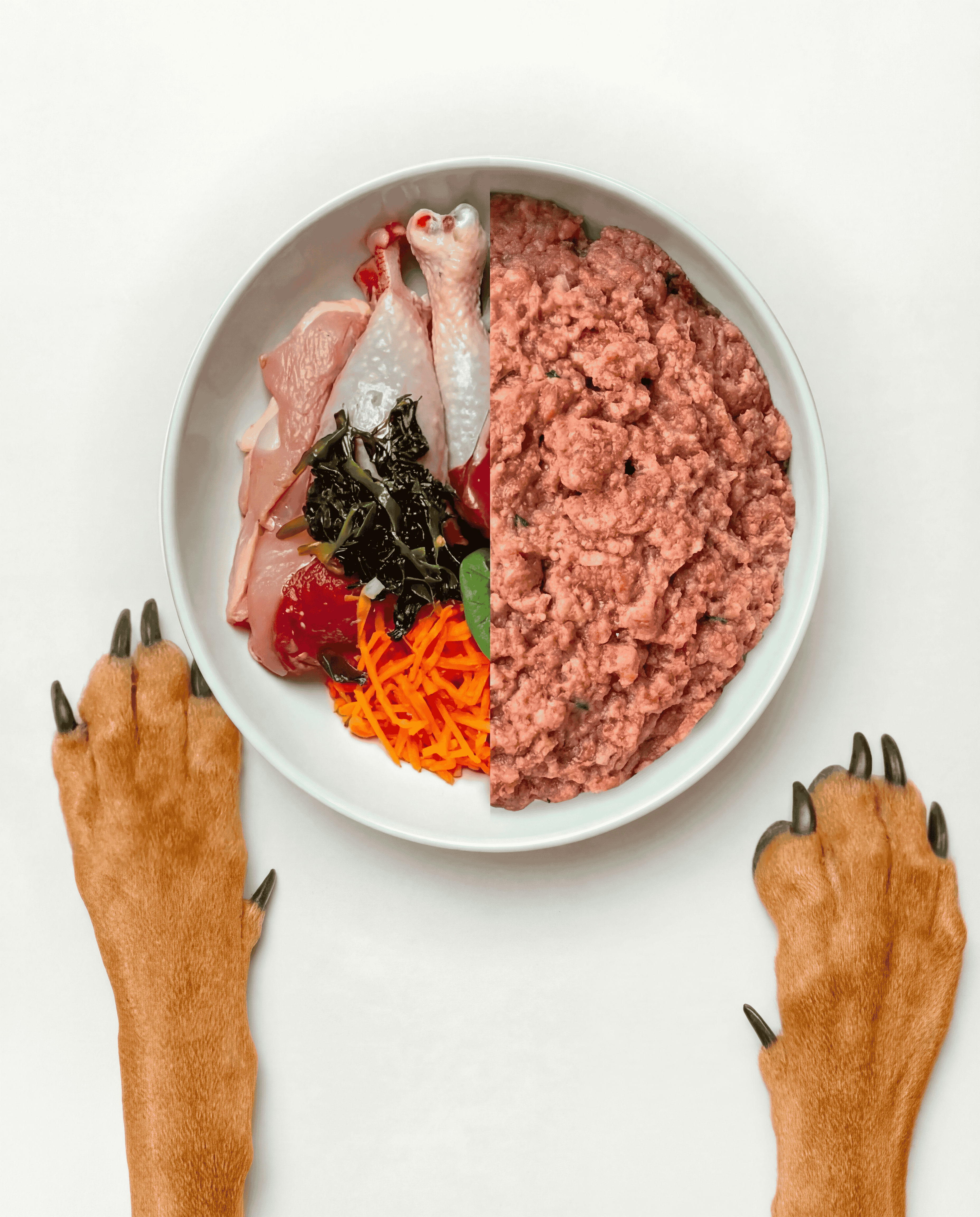
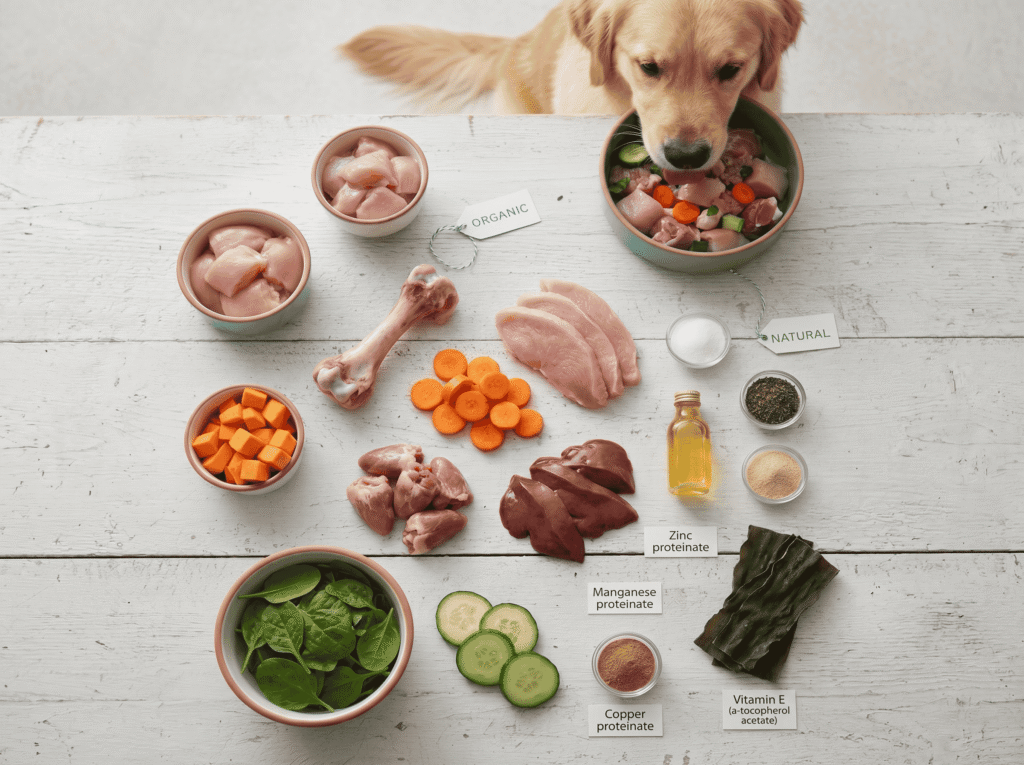
Raw dog food focuses on real ingredients like meat, organs, bone, and vegetables rather than heavily processed fillers.
Many owners report improvements such as:
- Better digestion
- Smaller stools
- Healthier skin and coat
- Increased energy
- Better weight control
- Reduced itching and allergies
- Improved mobility in aging dogs
For large breeds, maintaining a healthy weight is critical. Extra pounds place unnecessary stress on hips, knees, and joints. Feeding a balanced raw dog food diet often helps dogs stay leaner and more muscular naturally.
The Biggest Mistake People Make
Most people assume raw dog food means buying expensive boutique patties or frozen gourmet meals.
That is where the cost gets out of control.
The truth is that affordable raw dog food exists. You simply need to focus on value, portion planning, and quality ingredients rather than flashy packaging.
A large dog does not care whether their food comes in a luxury branded box. What matters is nutritional value and consistency.
How Much Raw Dog Food Does a Large Dog Need?
Most adult dogs eat around 2 to 3 percent of their body weight daily.
For example:
- A 70 lb dog may eat about 1.5 to 2 lbs per day
- A 100 lb dog may eat 2 to 3 lbs per day
- A 140 lb dog may eat 3 to 4 lbs per day
This is where owners start panicking about cost.
If you buy overpriced frozen nuggets, yes, feeding a large dog can become expensive quickly. But when you choose affordable raw dog food options, the numbers become far more manageable.
Affordable Ways to Feed Raw Dog Food
Buy Larger Boxes Instead of Small Packs
Smaller convenience packs almost always cost more per pound.
Families with large dogs save significantly by purchasing bulk raw dog food boxes instead of individual meals. This lowers packaging costs and usually reduces shipping expenses as well.
For households with freezer space, buying larger quantities is one of the easiest ways to reduce monthly feeding costs.
Focus on Simple Proteins
Exotic proteins like venison, rabbit, or kangaroo are expensive.
Chicken and turkey based raw dog food recipes are usually much more affordable while still providing excellent nutrition for large dogs.
Beef blends can also offer good value depending on the supplier.
Keeping your dog on simple proteins most of the time can dramatically reduce costs.
Use Rotational Feeding
Not every meal needs to be premium steak cuts.
Rotational feeding allows owners to mix proteins and meal types while keeping costs under control. Many experienced raw feeders rotate between chicken, turkey, beef, and occasional specialty proteins.
This also helps expose dogs to a broader nutrient profile over time.
Why Frozen Bulk Raw Dog Food Makes More Sense
For large breeds, frozen bulk raw dog food is often the most cost effective option available.
It provides:
- Better price per pound
- Easier portioning
- Less packaging waste
- More consistent inventory at home
This is especially important for multi dog households where feeding costs can add up quickly.
Buying one small bag every few days is inefficient. Bulk purchasing creates consistency and usually lowers overall monthly spending.

“The right raw dog food proves you can give your dog better nutrition without emptying your wallet.”
Raw Dog Food vs Expensive Kibble
This is where things get interesting.
Many people assume raw dog food costs dramatically more than premium kibble. In reality, the gap is often smaller than expected.
High end kibble brands for large dogs can easily cost hundreds per month, especially when feeding giant breeds.
At the same time, many owners notice they spend less on:
- Digestive supplements
- Allergy support products
- Stool management
- Skin treatments
- Vet visits related to food sensitivities
While raw dog food is not a magic solution, many owners feel the long term value outweighs the initial sticker shock.
Portion Control Matters More Than People Think
Overfeeding is one of the most common mistakes with large dogs.
Owners often assume bigger dogs need endless food, but excess calories create unnecessary weight gain and joint strain.
A properly portioned raw dog food diet can actually help control food costs because dogs are eating nutrient dense meals instead of filler heavy products that leave them constantly hungry.
Lean body condition should always be the goal.
Meal Prep Can Save You Money
Another overlooked advantage of raw dog food is predictability.
Once you understand your dog’s ideal portion size, monthly feeding becomes easier to budget. Many owners portion meals weekly and freeze them in containers for convenience.
This reduces waste and prevents overfeeding.
It also eliminates the constant last minute pet store trips that often lead to impulse purchases.
Affordable Raw Dog Food Does Exist
Many pet owners delay switching because they think raw feeding is only for luxury pet households.
That mindset is outdated.
Today, there are far more affordable raw dog food options available for large breeds than ever before. The key is finding brands that focus on practical nutrition instead of expensive marketing.
Companies like Raw Pack are helping make raw dog food more accessible for everyday dog owners by offering large format boxes and straightforward ingredient blends designed for real feeding needs.
For owners with larger dogs, value matters just as much as quality.